Programs and Activities
Empowering communities through innovative and sustainable solutions in food security, women empowerment and environmental and climate change.
Our Programs
DESAL implements a range of programs designed to address key development challenges and create sustainable impact in communities across Sierra Leone.

Education
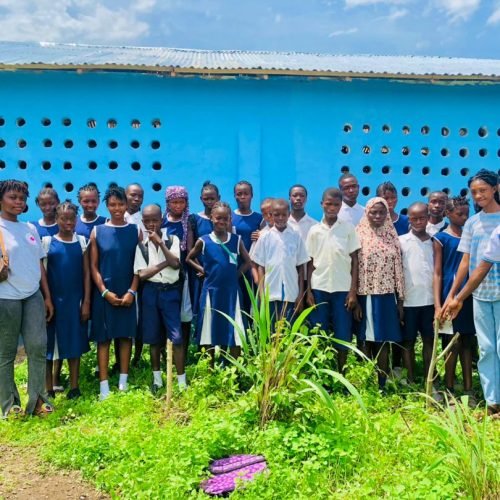
DESAL enhances education access and quality by building and upgrading school infrastructure, providing teacher training, and advocating for girls' education. The organisation focuses on inclusive education, aiming to reduce barriers for marginalised groups.
Women's Economic Empowerment
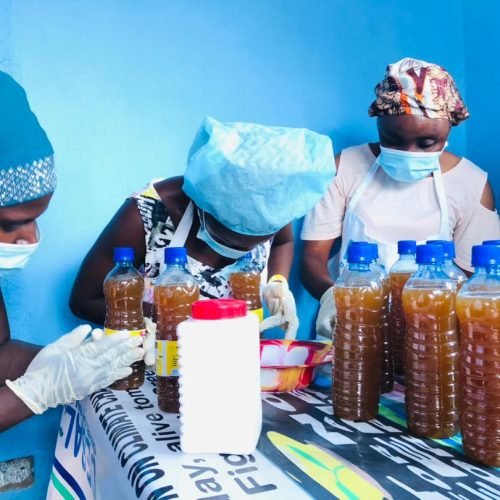
Through targeted entrepreneurship training and microfinance initiatives, DESAL empowers women to become economically self-reliant. The organization supports women's leadership in decision-making processes and helps them access financial resources to grow their businesses.
Agriculture and Food Security
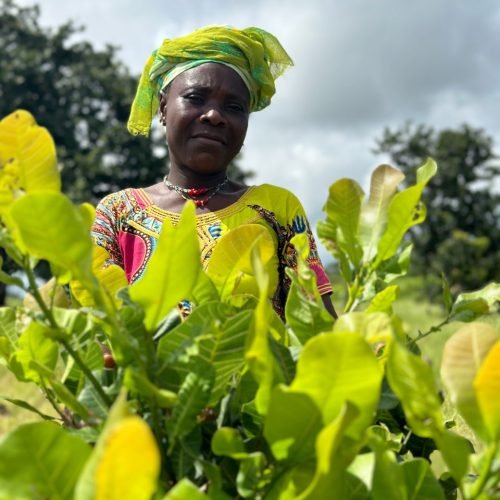
DESAL promotes climate-smart agricultural practices and sustainable food production. Programs focus on crop diversification, access to quality seeds and tools, livestock development, and establish farmer cooperatives for improved market access.
Environmental Conservation
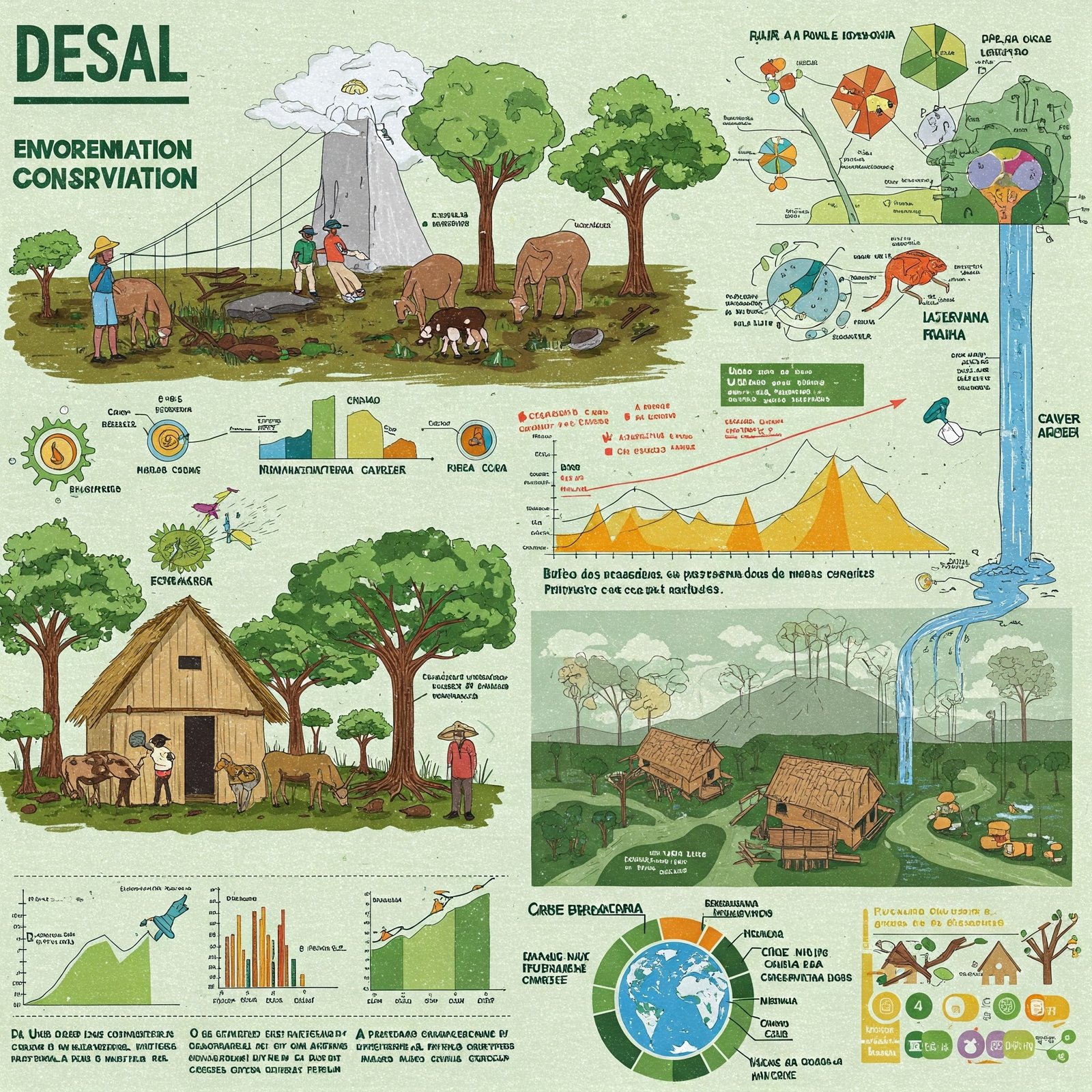
With a strong focus on natural resource management, our environmental initiatives promote sustainability. Reforestation activities Rainwater harvesting systems Sustainable land management Climate change adaptation strategies Community-based natural resource management
Water, Sanitation, and Hygiene (WASH)
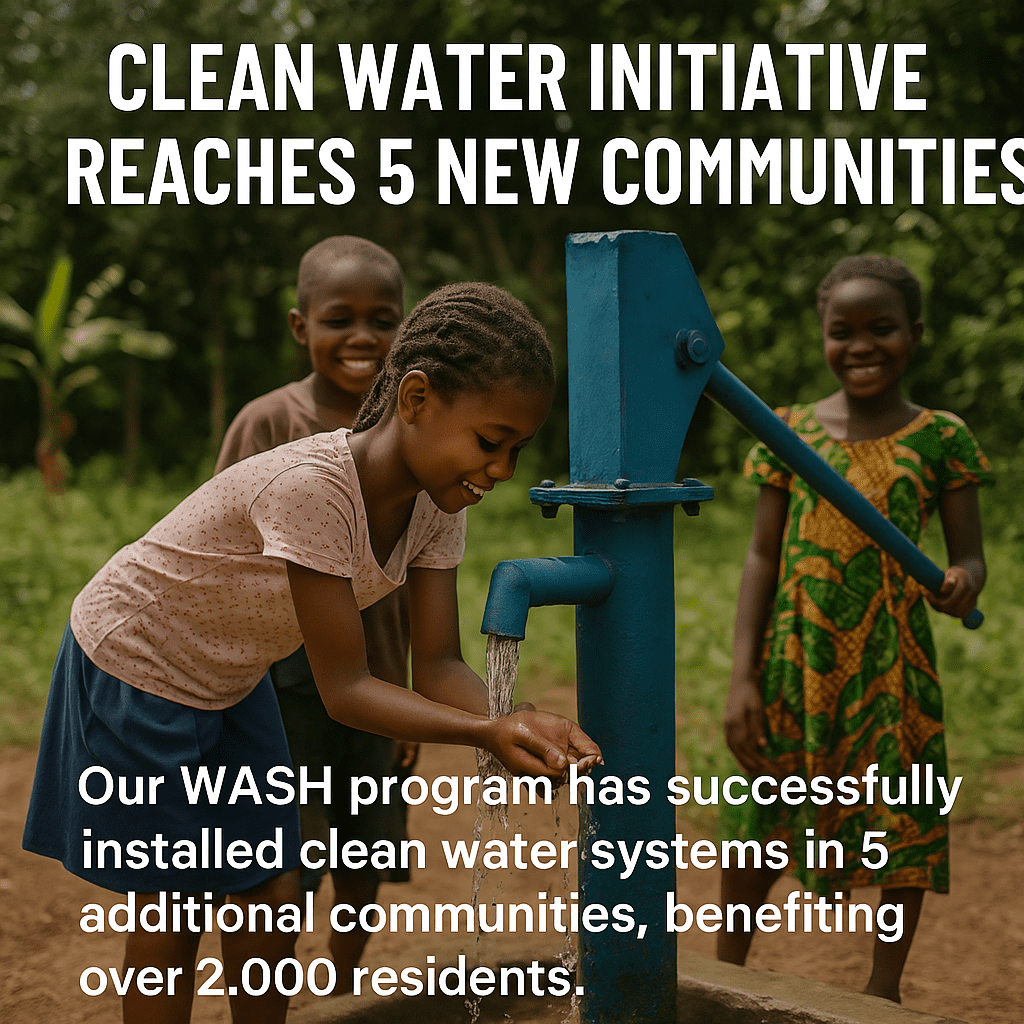
DESAL improves access to clean water and sanitation facilities in schools and communities. WASH initiatives include constructing water wells, implementing rainwater harvesting systems, and conducting hygiene awareness campaigns.
Our Activities
DESAL implements a range of programs designed to address key development challenges and create sustainable impact in communities across Sierra Leone.
implementation of the DISCA-VC program
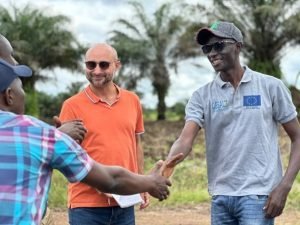
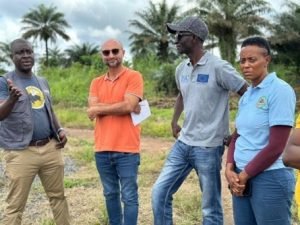
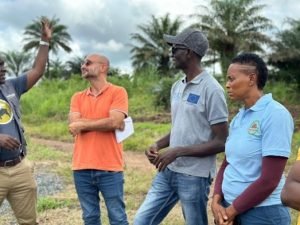
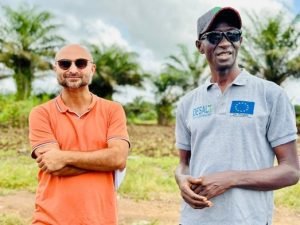
The Executive Director of DESAL, Al-Hassan Salieu Kemoh, along with Andrew Kojo Morrison, the country representative for Solidaridad and EU policy officer for infrastructure and rural development, recently visited selected communities and cashew farmers. Their tour included local cashew processors engaged in the processing of cashew nuts.
The primary objective of the visit was to assess the progress of the implementation of the DISCA-VC program by DESAL and its partners, including Solidaridad and Nianda Agriculture and Trading Company. In addition, the team aimed to gather insights into the upcoming phases of the project.
This program is part of the EU Jobs and Growth Initiative, which aims to complement the efforts of the government of Sierra Leone in creating more employment opportunities and enhancing the cashew value chain in the country.
A team of representatives from Develop Salone (DESAL) and the European Union in Sierra Leone has begun a four-day monitoring visit to the newly constructed cashew factory at Rogbere Junction, Maforki Chiefdom, Port Loko District. This factory is part of the Developing an Inclusive and Sustainable Cashew Value Chain (DISCA-VC) Programme, implemented by Solidaridad, Solidaridad West Africa, and Nianda Agriculture and Trading Company (NATC). The programme spans 80 farming communities across the Port Loko, Kambia, Bombali, and Tonkolili districts.
The visit, led by Andrew Kojo Morrison, Solidaridad’s Country Representative in Sierra Leone, and Cappuro Fredrico, EU Policy Officer for Infrastructure and Rural Development, aims to engage with farmers, assess the implementation progress by Solidaridad and its partners, and gather insights for the upcoming phases of the project.
The DISCA-VC initiative is part of the EU Jobs and Growth programme, designed to support the Government of Sierra Leone in creating more employment opportunities, strengthening the cashew value chain, and improving access to markets.
During their visit, the team will also interact with cashew farmers and local processors in selected communities in Port Loko and Kambia in Northern Sierra Leone.